 Open
Open01
System Creation
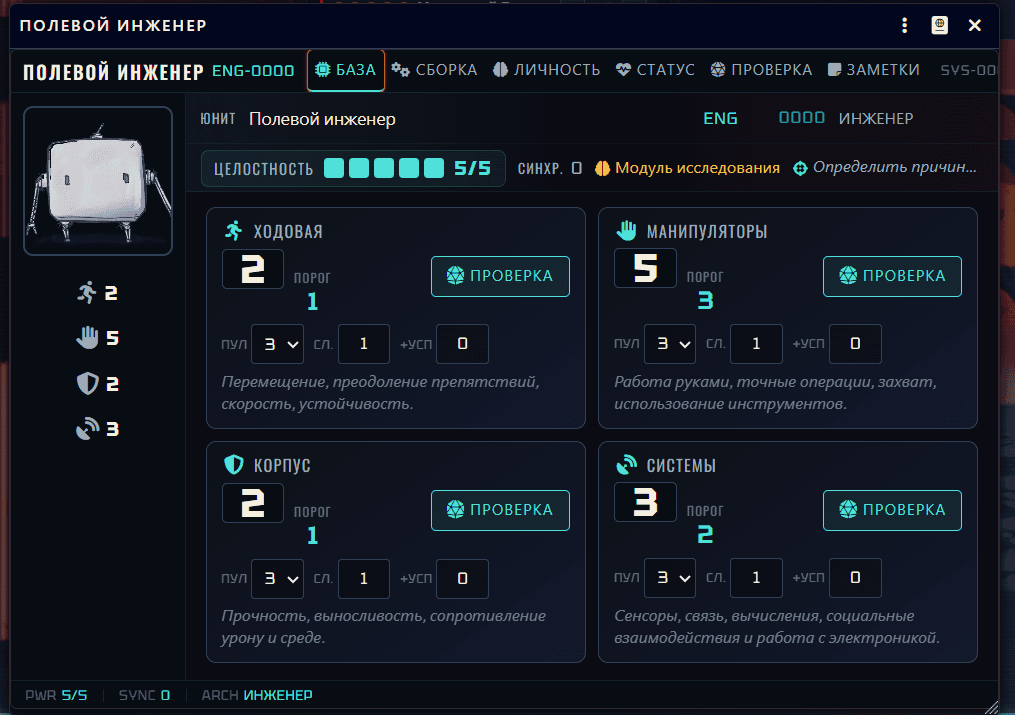
We design data structures, character sheets, entities, rolls, and automation for Foundry VTT or Roll20. The result should be a usable tool, not a loose folder of files.
VTT PRODUCTION
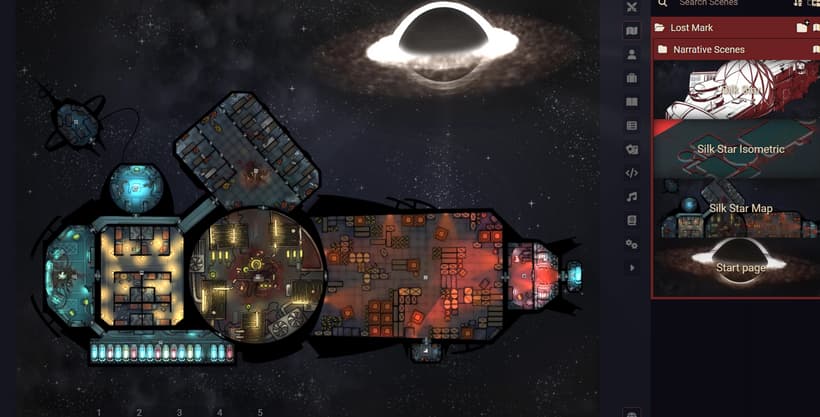
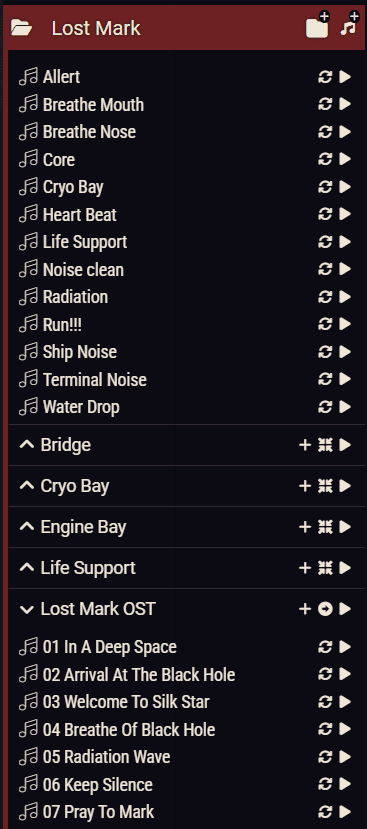
We build playable VTT releases: scenes, journals, maps, handouts, entities, music, and navigation. If the project needs its own system, we design sheets, data, and rolls. If the system already exists, we adapt the release for Foundry VTT or Roll20 so it is practical to run at the table.
Discuss a VTT Project01 / SCOPE
We can start from a PDF, source text, maps, music, or a finished layout and build the VTT version. Some jobs are compact: scenes and journals. Others are full system work: sheets, entities, rolls, data, and release packaging.
02 / DIRECTIONS
Open01
We design data structures, character sheets, entities, rolls, and automation for Foundry VTT or Roll20. The result should be a usable tool, not a loose folder of files.
 Open
Open02
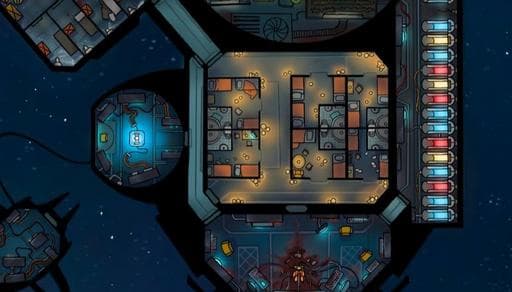
We convert adventures and play kits into an existing VTT system: scenes, maps, journals, handouts, NPCs, items, tables, links, music, and GM-facing notes.
 Open
Open03
We check modules after platform updates, triage bugs, prepare patches, and keep releases from breaking after publication. It is real work and should be planned as such.
 Open
Open03 / PRODUCTION LAYER
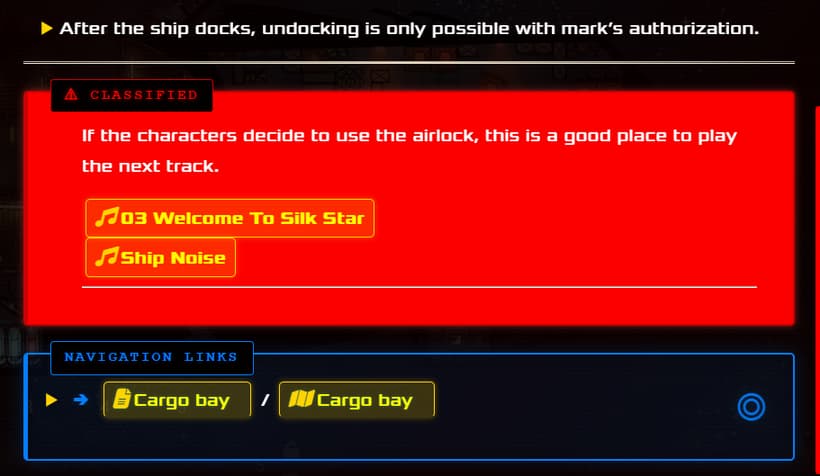
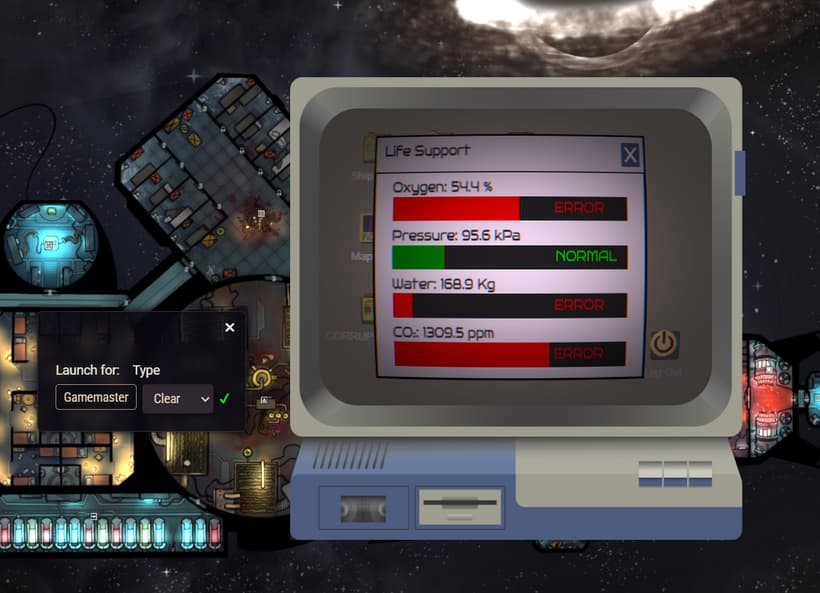
We can build more than scenes and journals: terminals, navigation blocks, journal buttons, macros, playlists, ambient zones, and other details that help the GM run the game from inside the VTT.
03 / PRODUCTION LAYER
If the project lacks visuals, maps, or audio, we can scope that separately. The studio works with artists and composers who can prepare maps, dynamic-lighting variants, cover art, illustrations, tokens, handouts, interface elements, music, or sound atmosphere for the release.
04 / DEMO
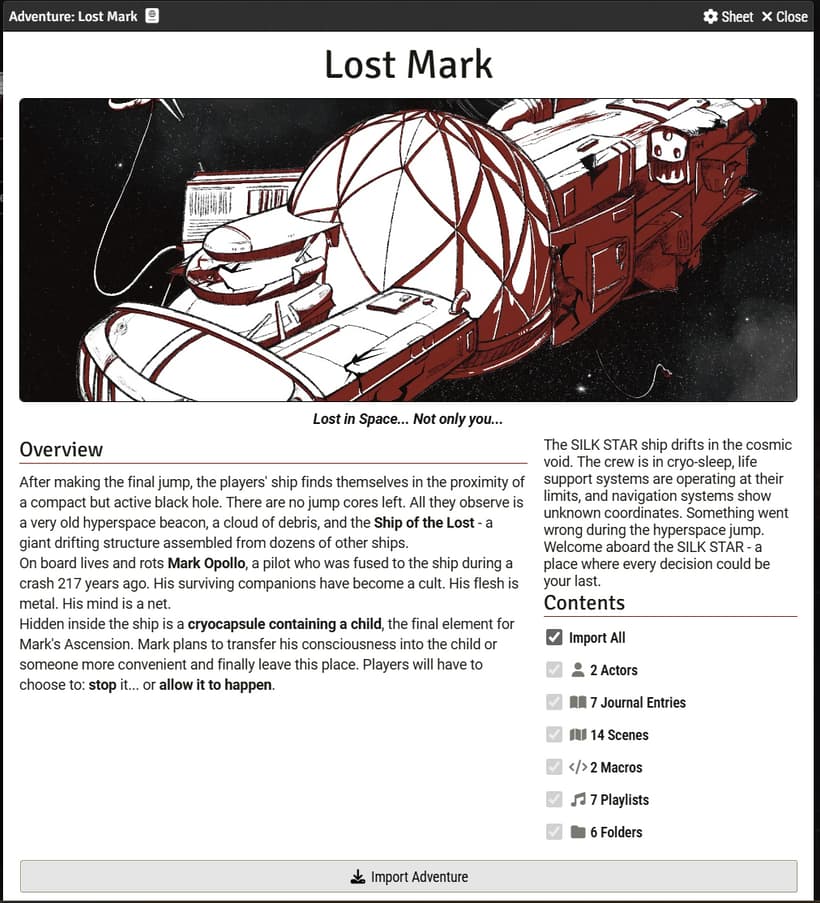
The Foundry module page includes a short teaser. We use it here as a concrete example of a shipped module: scenes, journals, map work, music, and the in-game terminal.
Module page on itch05
A system, Foundry module, Roll20 module, scenes, maps, journals, handouts, game entities, tables, tokens, dynamic lighting, audio, interactive elements, documentation, publication package, and support plan. The exact list depends on the material.
06
PDFs, source text, a laid-out release, maps, illustrations, tokens, audio, data tables, or a rough project structure. Rights for maps, music, illustrations, and text need to be clear before release work starts.
07
First we clarify platform, system, scope, asset list, and rights. Then we lock deliverables, stages, and timing. After production comes QA, review, and release preparation. If needed, the project stays on support.
08 / RELEASE FLOW
We can help clean up the release package: file structure, metadata, asset checks, store copy, and premium-distribution preparation when that route fits the project.
09 / SUPPORT
Foundry and Roll20 change. A working module needs compatibility checks, regression testing, patches, and a release flow. It is better to plan this as part of the product lifecycle than as emergency repair after launch.
10 / BUDGET
We show starting ranges so it is easier to understand the approximate budget of a project. Final pricing depends on platform, content volume, automation level, source material quality, and post-release support. Important: these are indicative prices for full turnkey module development, when you provide the scenario and the studio handles production, implementation, and release.
01 / content adaptation
starting range €750–900
For a one-shot, quickstart, or small release: basic structure, scenes, journals, handouts, and game-ready content assembly.
starting range €2,000–2,400
For a full adventure or mid-size commercial release: multiple maps, linked journals, NPCs, items, tables, navigation, and game-ready preparation.
starting range €5,000–5,500
For a large release, campaign, or showcase product: high content volume, polished presentation, QA, expanded structure, and release preparation.
02 / new system
starting range €2,500–3,000
For systems that need a dedicated Roll20 character sheet without a fully custom advanced ecosystem.
starting range €4,500–5,000
A basic working system with core entities, sheets, key rolls, and an initial playable structure.
starting range €10,000–12,000
For full systems with multiple sheets, automation, UX work, documentation, and structured release preparation.
03 / support
from €200/month, up to 4 hours
Small fixes, questions, light updates, and basic maintenance after release.
from €550/month, up to 10 hours
Planned fixes, compatibility checks, regular updates, and small improvements.
from €950/month, up to 20 hours
Priority support, release patches, regression checks, and active maintenance for a published product.
Platform, whether the system already exists, number of maps and entities, automation level, localization, asset readiness, and post-release support.
Support packages are tied to a monthly work volume. If the project needs more time, we estimate the additional scope separately.
11 / ESTIMATOR
Answer a few short questions to get an approximate budget range. This is not a final quote: final pricing is confirmed after reviewing the materials and clarifying the exact scope.
Budget signal idle
Answer a few short questions to get an approximate budget range. This is not a final quote: final pricing is confirmed after reviewing the materials and clarifying the exact scope.
12 / BRIEF
Send a short description and a link to the material. We will review the scope and suggest a sensible format: system work, content conversion, or support.